.png)
11 Simple Easter Activities for Under 5s (That Boost Development)

Easter isn’t just about chocolate eggs—it’s a season full of curiosity, creativity, and hands-on learning. For little ones, this is the perfect time to explore the world, try new things, and practice important skills while having fun.
Simple Easter activities like egg hunts, sensory experiences, and creative crafts aren’t just entertaining—they actively support early development. From fine motor skills and early maths to language, imagination, and problem-solving, these moments of exploration lay the foundation for lifelong learning.
The best part? You don’t need fancy materials or complicated setups. With a few everyday items and a little imagination, you can create meaningful Easter experiences that your little one will love—and learn from—every step of the way.

1. Easter Egg Hunt
A classic favourite with a learning twist! This activity encourages children to explore, follow clues, and engage in early maths while enjoying the thrill of a hunt.
Supports: Physical development, problem-solving, early maths
Items needed:
Plastic eggs or small Easter themed objects
Basket or container
Optional: coloured stickers or numbers to sort eggs
Method:
Hide eggs around your home or garden.
Encourage your child to search for them independently.
Add learning by asking questions like “How many eggs have you found?” or “Can you find the red one?”
Once collected, sort eggs by colour, size, or number to extend their learning.

2. Easter Small World Play
Open-ended imaginative play encourages storytelling and deep engagement.
Supports: Imagination, language, understanding the world
Items needed:
Tray, shallow box, or basket
Natural materials (grass, moss, soil, sticks, leaves, rice)
Small figures (bunnies, chicks, eggs, wooden toys)
Method:
Create a simple “Easter scene” using natural textures as a base.
Add figures sparingly—less is more.
Invite your child to explore and lead the play.
Sit alongside, narrating gently or responding to their ideas.

3. “Where Did the Bunny Go?” Trail
A story-led activity that encourages movement, sequencing, and problem-solving.
Supports: Physical development, attention, early reasoning
Items needed:
Paper/flour bunny footprints (or chalk outdoors)
Small props or clues (e.g. eggs, carrots, notes)
Method:
Create a trail of bunny footprints around your home or garden.
Place small clues along the path.
Invite your child to follow the trail step-by-step.
End with a small surprise or discovery to complete the story.
Chat about the journey at the end - you can even come up with a story together and put it together using drawings and photos!

4. Crack & Discover Eggs
A sensory-filled mystery activity where toddlers explore hidden treasures inside eggs.
Supports: Curiosity, fine motor skills, language development
Items needed:
Plastic eggs
Small objects to hide inside (feathers, dried pasta, herbs, petals, small toys)
Tray or basket
Method:
Fill each egg with a different object and close securely.
Present them in a tray or basket.
Encourage your child to shake, smell, and explore each egg.
Ask questions like “What do you think is inside?”
Open the eggs together and explore the contents, describing textures and sounds.

5. Easter Role Play Café
Role play is so much fun and also develops communication and social skills while encouraging imagination!
Supports: Communication, social skills, imagination
Items needed:
Play food or simple real items (bread, fruit, empty containers) or Easter banana muffins (recipe below!)
Plates, cups, baskets
Soft toys or dolls
Method:
Set up a simple “Easter café” or bakery space.
Model simple interactions like “What would you like?”
Encourage your child to serve food or take orders.
Let the play evolve naturally.

6. Easter Egg Potion Making
A calm, sensory-rich activity that encourages experimentation and creativity.
Supports: Exploration, creativity, language development
Items needed:
Bowls or containers
Water
Plastic eggs
Natural materials (daffodil petals, herbs, leaves, grass)
Essential oils and/or food dye
Spoons, cups, scoops
Method:
Set up a “potion station” with bowls of water and natural materials.
Add empty eggs or containers that children can fill, pour from, or use in play.
Encourage your child to mix ingredients and experiment with textures, colours, and smells.
Use descriptive language and simple questions: “What happens if we mix this?”
Note: If using food colouring or essential oils add these before your little one begins to play.

7. Chick Colour Sorting
A fun, hands-on activity that combines early maths skills with fine motor practice.
Supports: Colour recognition, sorting, fine motor development
Items needed:
Plastic chicks & eggs in multiple colours
Matching coloured bowls, baskets, or cups
Method:
Place coloured containers in front of your child.
Show them how to sort the chicks or eggs by colour.
Encourage independent sorting and naming colours as they go.
For added challenge, mix in patterns or sizes to extend their learning.

8. Egg Rolling Painting
A creative and slightly unpredictable activity that combines movement and art.
Supports: Creativity, coordination, cause and effect
Items needed:
Tray or shallow box
Paper (cut to fit inside)
Paint (a few colours)
Hard-boiled eggs or small plastic eggs
Method:
Place paper inside the tray.
Add small blobs of paint in different areas.
Place the egg or ball on the paper.
Encourage your child to tilt and roll the egg through the paint.
Observe and describe the patterns together.

9. Nature Easter Walk & Collection
A simple, reflective activity that encourages children to connect with the natural world.
Supports: Understanding the world, language, curiosity
Items needed:
Basket or bag
Method:
Go for a walk in your local park or garden.
Encourage your child to collect safe, natural items like twigs, leaves and petals.
Talk about what you see, hear, and feel.
Use the collected items later for play or creative activities.

10. Easter Bunny Banana Muffins
A simple, interactive baking activity that introduces early maths, language, and life skills.
Supports: Early maths, communication, fine motor skills
Items needed:
2 ripe bananas
1 egg
100g self-raising flour
1 tsp cinnamon (optional)
Muffin tray + cases
Mixing bowl and spoon
Method:
Preheat oven to 180°C (adult step).
Let your child mash the bananas in a bowl.
Add the egg and mix together.
Stir in the flour (and cinnamon if using).
Spoon mixture into muffin cases.
Bake for 15–20 minutes until golden.
Once cooled, decorate with raisins or fruit to make bunny faces.

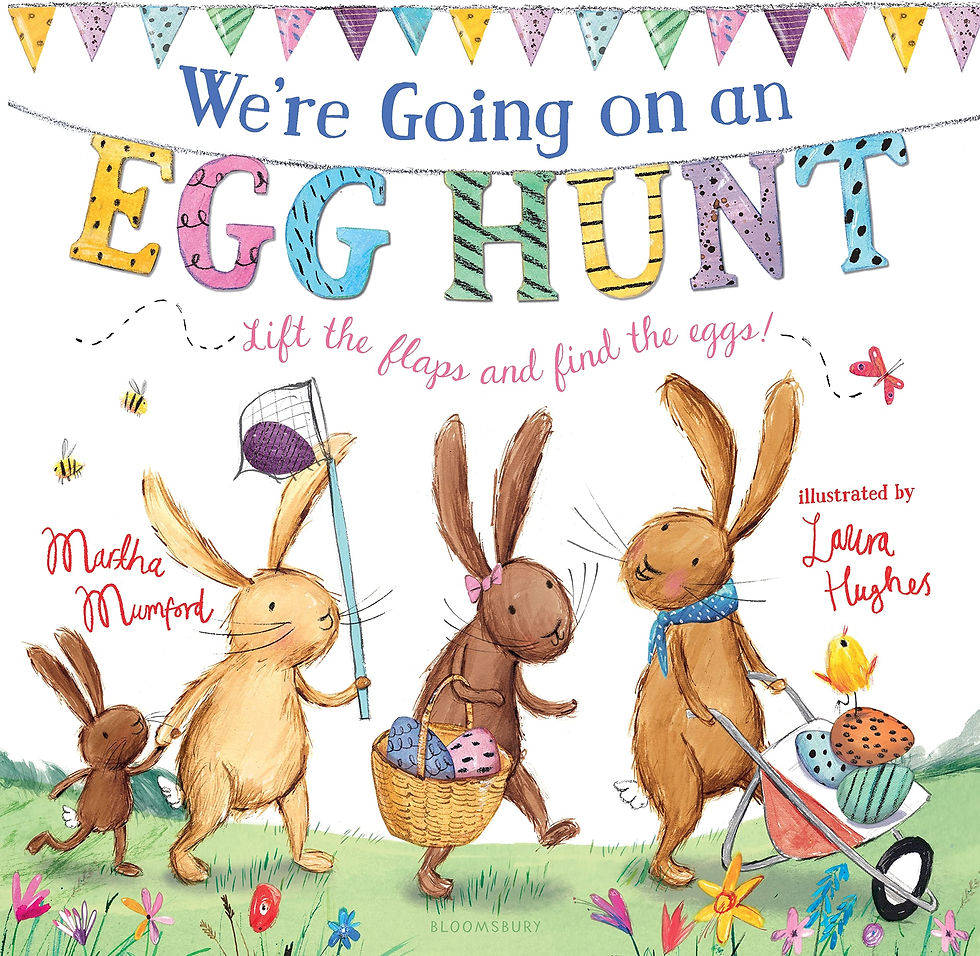
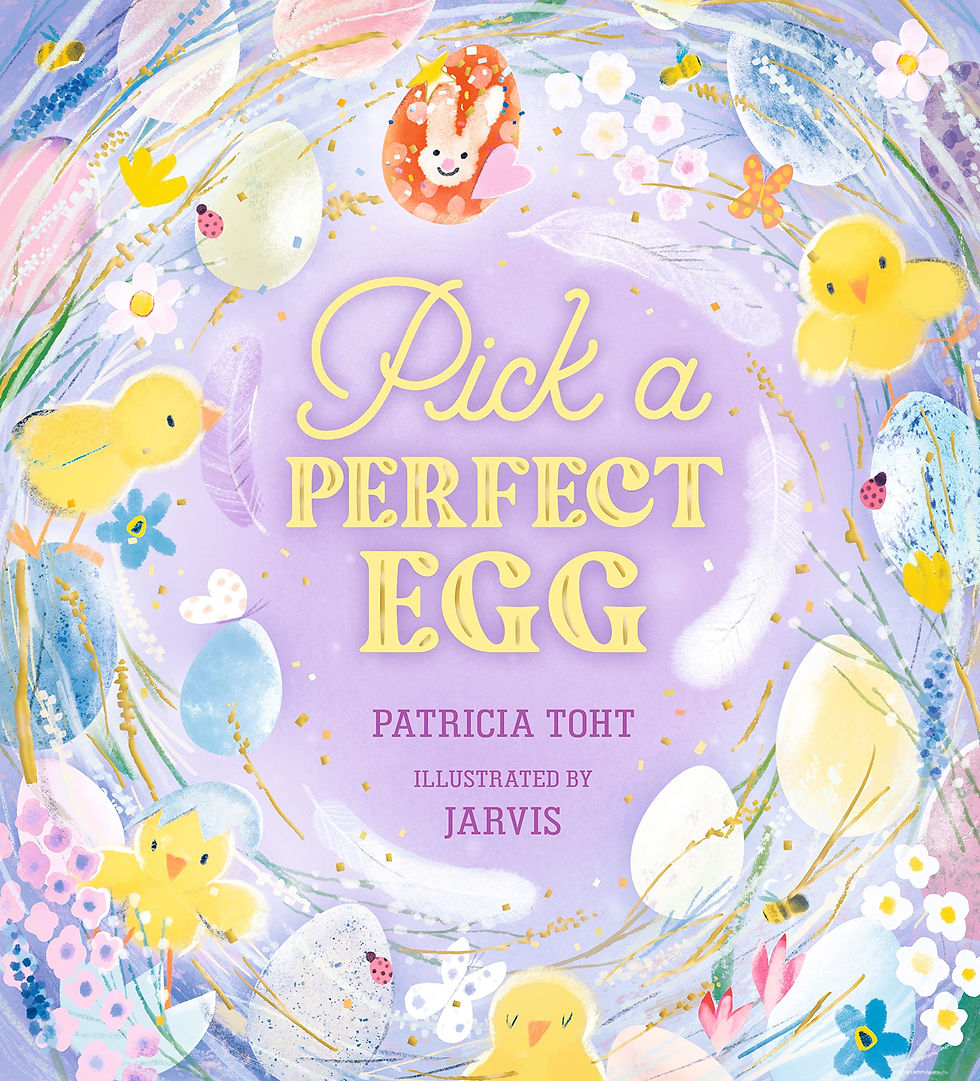
11. Easter Story Time & Children’s Books
Reading together strengthens language, imagination, and a love of learning. Add an Easter twist by choosing seasonal stories that spark curiosity.
Supports: Communication, literacy, imagination, social-emotional skills
Items needed:
A selection of Easter-themed or springtime books
Soft toys or props (optional)
Method:
Choose a cozy space for reading together.
Read aloud, using expressive voices and gestures.
Encourage your child to join in with repeating words, acting out characters, or turning pages.
Ask questions: “What do you think will happen next?” or “How does the bunny feel?”
Extend learning by linking the story to real-life experiences.
Book Recommendations:


Easter is a wonderful opportunity to slow down, explore, and discover together. These activities let little ones engage in meaningful play, build essential skills, and enjoy the magic of the season.
Remember, it’s not about perfection or “doing it right”—it’s about following your child’s curiosity, encouraging experimentation, and celebrating small discoveries along the way.
By creating playful, hands-on experiences this Easter, you’re not just keeping little hands busy—you’re nurturing creativity, confidence, and a love of learning that lasts long after the eggs are gone.