.png)
Parent’s Guide: Gardening

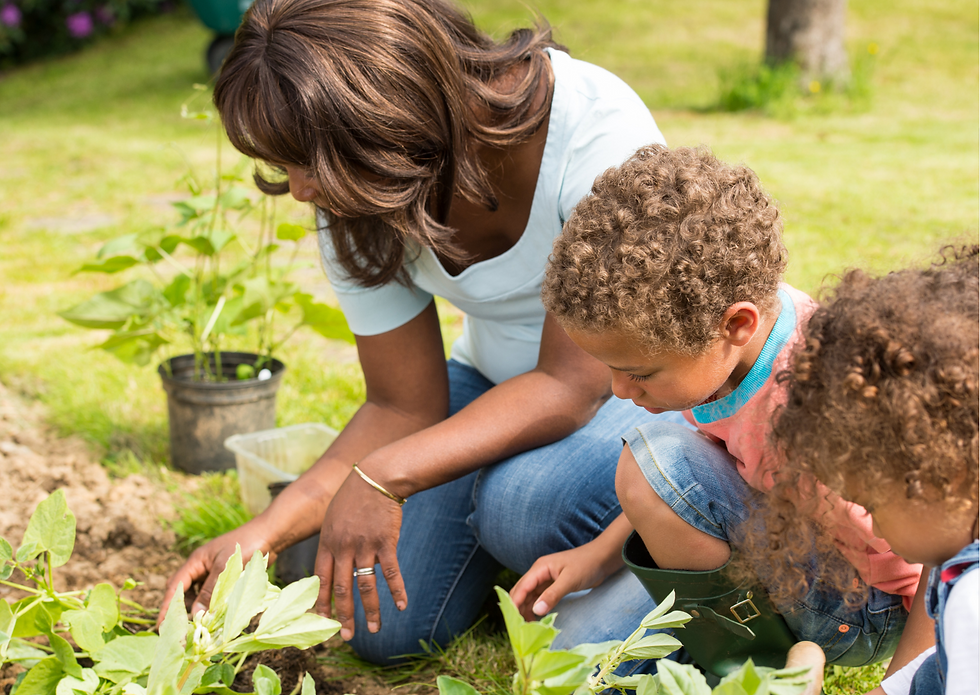
Gardening with young children is about so much more than planting seeds. It’s an opportunity to slow down, spend quality time together outdoors and support your child’s development in a natural, hands-on way.
Whether you have a large garden, a small balcony or simply a sunny windowsill, growing something together can be incredibly rewarding. With spring and summer on the way, it’s the perfect time to get started.
In this guide, we’ll explore why gardening is so beneficial for under 5s, how to begin in a way that feels manageable, and simple tips to help you make the most of the experience.
Let’s dig in!

Why Gardening Is So Good for Under 5s
Supporting Physical Development
Gardening is full of natural movement. Digging, scooping soil, watering plants, carrying small pots and picking fruit all help to develop:
Fine motor skills (grasping seeds, pinching leaves, using tools)
Hand-eye coordination
Core strength and balance
Overall physical confidence
These everyday actions build the foundations children need for later skills like writing.
A Rich Sensory Experience
Gardening engages all the senses:
Feeling soil, petals and leaves
Smelling herbs and flowers
Listening to birds and insects
Watching seeds grow into plants
Sensory play is essential in the early years. It supports brain development, language growth and curiosity about the world. Mud kitchens, herb pots and flower beds all become powerful learning spaces.
Building Responsibility and Patience
Plants don’t grow overnight. Gardening introduces children to the idea of caring for something over time.
Watering regularly, checking on growth and noticing changes help children begin to understand:
Cause and effect
Responsibility
Patience
Nurturing behaviour
Watching something thrive because of their care can be a huge confidence boost.
Understanding the World Around Them
Gardening opens the door to meaningful conversations about:
How plants grow
The role of sunlight and water
Seasons and weather changes
Insects, worms and ecosystems
Children begin to see how everything is connected. This early awareness helps foster respect for nature and a positive attitude towards the environment.
Encouraging Healthy Eating
Children are far more likely to try fruit and vegetables they’ve grown themselves.
Growing strawberries, tomatoes or herbs gives them a sense of pride and ownership. It also helps them understand where food comes from, encouraging healthier attitudes towards eating.
Even a small pot of cress on the windowsill can spark big conversations.
Developing Language and Social Skills
Gardening is full of new vocabulary: roots, stems, petals, compost, seeds, watering, harvest.
Talking through what you’re doing strengthens your child’s communication skills. If siblings or friends are involved, children also practise turn-taking, cooperation and problem-solving.
Even one-to-one time in the garden can be powerful for connection and conversation.

How to Get Started
The key to successful gardening with young children is keeping it simple.
You don’t need a perfect garden or expensive equipment. Start small and build from there.
Choose Easy Wins
For under 5s, quick-growing and easy-care plants work best. Consider:
Strawberries
Cherry tomatoes
Cucumbers
Peas
Sunflowers
Herbs such as basil or mint
Fast results help keep children engaged and excited.
Think About Your Space
Ask yourself:
Do you have a garden bed, pots or just a windowsill?
How much sunlight does the space get?
How much time can you realistically give each week?
A few well-chosen pots can be just as successful as a large garden.
If you don’t have outdoor space, you could explore local allotments or community gardening groups.
Make It Child-Led
Give your child real (age-appropriate) responsibilities:
Let them fill pots with soil
Water plants daily
Choose what to grow
Check for new shoots
Children are far more engaged when they feel involved rather than watching from the side.
Keep Safety in Mind
Gardening is a wonderful opportunity to introduce safe risk-taking.
Use child-friendly tools
Keep sharp shears and chemicals out of reach
Supervise closely
Mess is part of the fun, so dress in old clothes and embrace the dirt!
Be Prepared for the Unexpected
Young children may:
Lose interest halfway through
Become fascinated by worms instead of planting
Want to dig everything back up
That’s okay.
Follow their curiosity where possible. The learning is happening either way. And remember, gardening doesn’t have to be perfect. It just needs to be shared.
Most Importantly — Enjoy It
Gardening with your little one is about connection.
It’s about muddy hands, small discoveries and celebrating the first tiny sprout together. It’s about slowing down and noticing growth — not just in plants, but in your child too.
Start small, keep it simple and allow it to evolve naturally.
You might be surprised at how much joy a tiny seed can bring.
Additional Resources
RHS - getting children interested in gardening and guide to get started – click here.
BBC - guide to gardening with children – click here.
Better Health - guide to gardening for children – click here.
BBC - top 7 tips for gardening with children – click here.
Gardeners World - tips for gardening with children – click here.
Gardeners World - 10 gardening projects for kids – click here.


